


Speaking Isn’t the Hardest Part
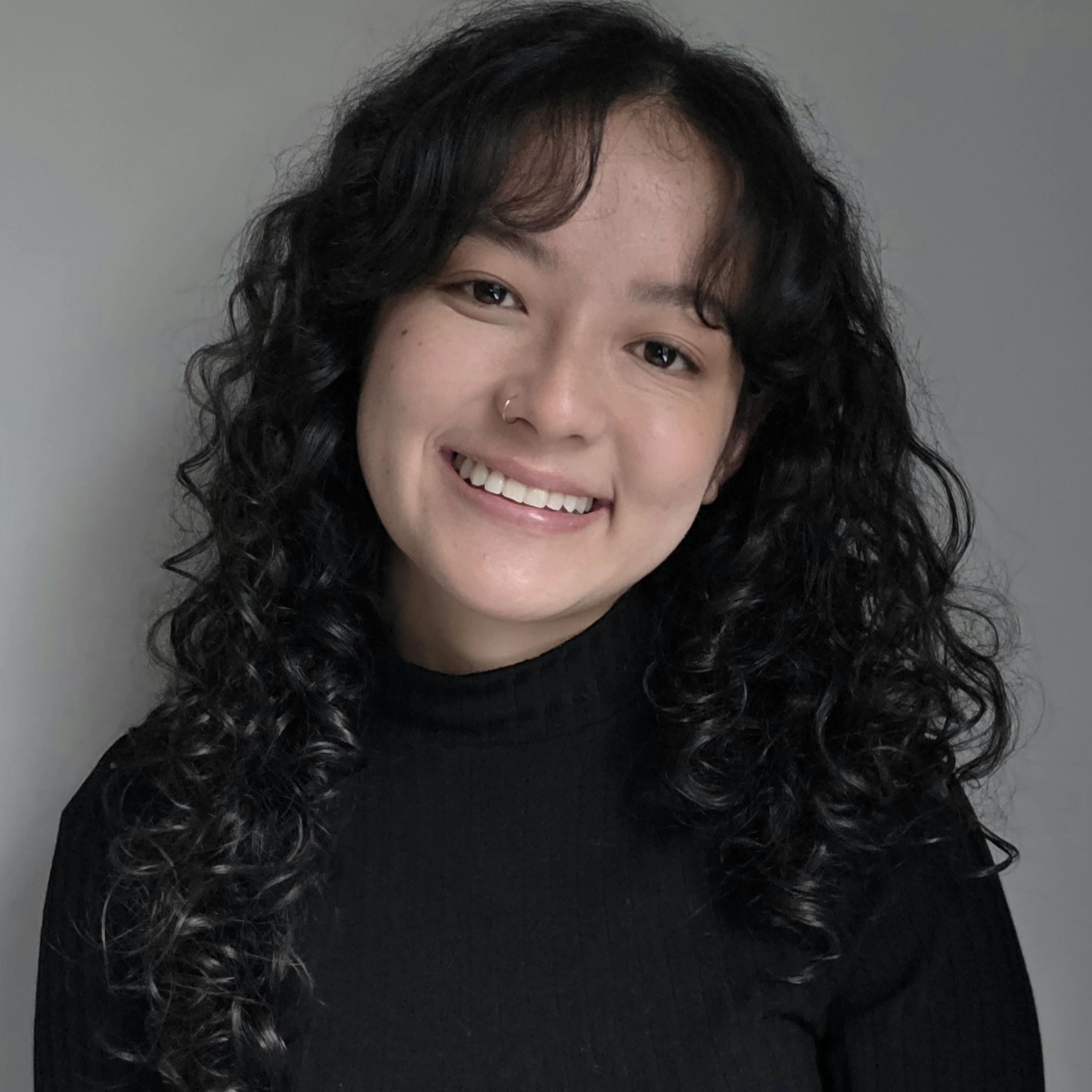

The hardest part was not learning English.
When I moved from Bogotá to the U.S. at 17, I could barely hold a conversation. I rehearsed sentences in my head and still hesitated when it was time to speak. Sometimes I smiled and nodded. Staying quiet felt safer than sounding wrong.
Back home, I rarely thought twice before speaking. Here, even simple conversations took effort. I began to trust my words less, then myself. Still, I spoke because I had to. It was not confidence. It was survival.
That fear followed me into architecture school.
I remember my first studio review. I had drawings, sketches, and a model I felt proud of. The professor asked us to present our work in English, on the spot. For a moment, I wanted to leave. Instead, I stood there, face hot, voice shaking, hands unsteady. I don't remember what I said, only that it didn't do justice to the work.
I knew what I had designed. I just couldn't explain it the way I wanted to.
Outside studio, I learned to look like I understood, even when I didn't. Sometimes a conversation only made sense after it ended. From the outside, I seemed fine. Inside, I felt behind. I rarely said it aloud, but I kept thinking: I don't belong here.
Over time, I stopped searching for the perfect words and focused on making my ideas easier to understand.
Writing helped. It gave me time to organize my thoughts before speaking. Rather than memorize a script, I identified a few essential points: What am I trying to say? What does the listener need to know? What should they remember?
I also learned to consider who was listening. A professor reviewing a design, a colleague solving a problem, and a client making a decision may need different explanations of the same idea. In studio, pointing to a plan, section, or model often worked better than searching for the right sentence.
I also had to learn how to listen.
I used to spend so much time preparing my response that I sometimes missed what the other person was saying. Now, when someone explains a task at work, I repeat the instructions in my own words: "So, just to make sure I understood, you want me to..." If I've missed something, they can correct me before I begin. If I don't know a term, I ask.
I'm still learning to ask sooner, without feeling embarrassed. These habits haven't made me a perfect speaker. They've made it easier to participate.
I went on to graduate with degrees in architecture and psychology, summa cum laude. I learned to present and defend my work, yet I still sometimes need a moment to find the right words. I've learned that hesitation doesn't necessarily mean a lack of understanding.
That distinction matters in classrooms and workplaces, where a quick, confident answer can seem more convincing than a thoughtful one. Clear communication matters, but so does giving others the time and space to express what they know. We should be careful not to mistake fluency for ability, in ourselves or in others.
Looking back, the hardest part was not the work itself. It was what happened in the moments when I had to explain it.
In studio reviews, meetings, or presentations, ideas are not judged only by their quality, but by how clearly they come across. And when you are translating and adapting in real time, speaking isn’t the hardest part.
It’s making it sound the way you mean it.
ABOUT THE AUTHOR


Angie, thank you for raising your voice to bring awareness to something we so desperatly need today - giving others the time and space to express what they know, and not mistaking fluency for ability in ourselves or in others is so important to practice every day. I admire your strength and determination to stay when you felt you did not belong. This country is lucky to have you and others who work so hard to be here.
Excellent post, Angie. I had a similar experience but, fortunately, it was in high school, before architecture school.