


Navigating Your Career During Unprecedented Times
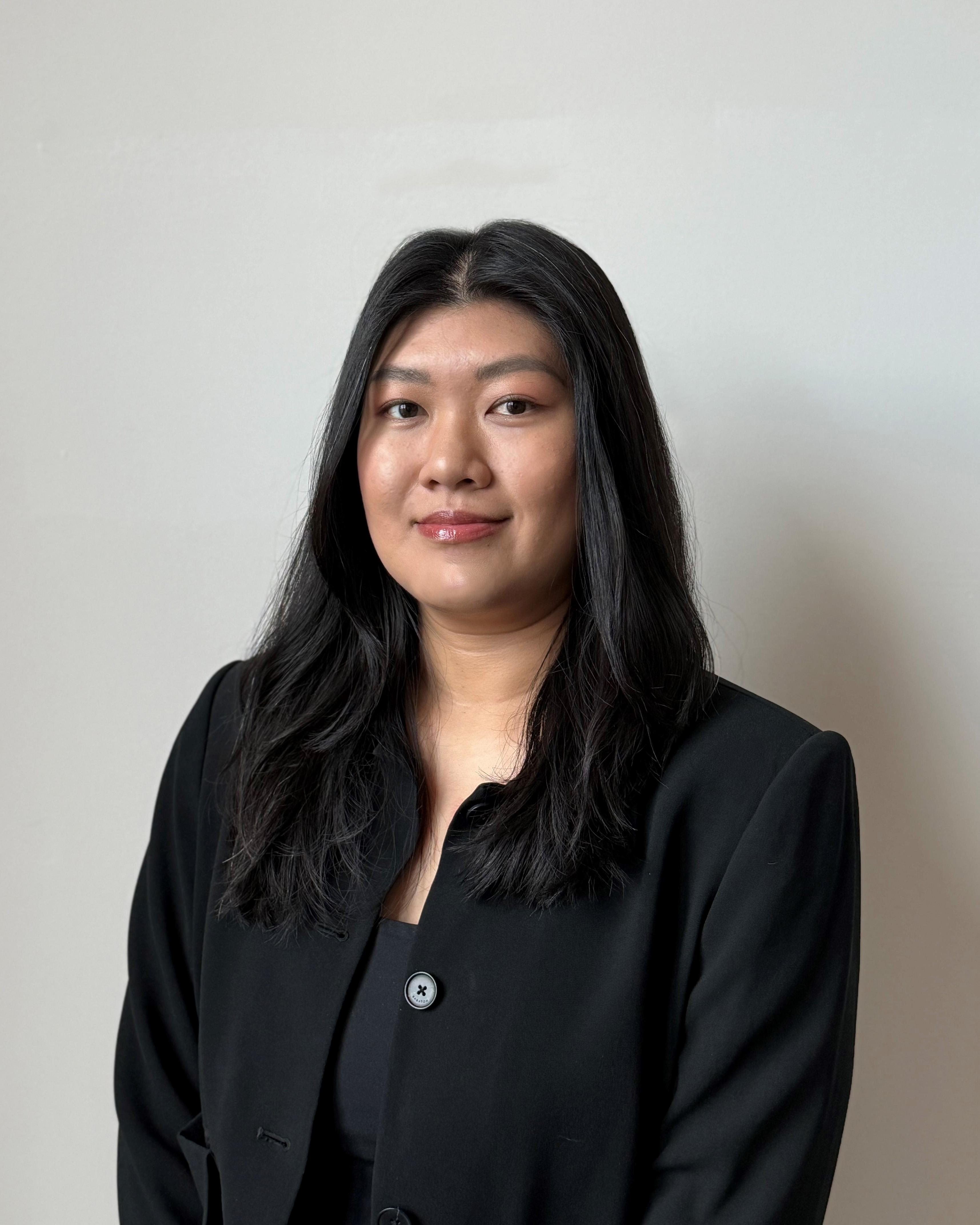

Over the past few years, the COVID-19 pandemic and shifting geopolitics have reshaped our world, creating unprecedented challenges, especially for immigrant professionals in the United States. In addition to domestic challenges, changing immigration policies and international travel restrictions, global events can quickly affect career opportunities for those of us trying to establish a career abroad. I am an immigrant architect from Yangon, Myanmar, and I started my journey in the United States in 2014 as a student pursuing my Bachelor of Architecture at Pratt Institute in Brooklyn, New York.
For students on F-1 visas, the clock starts ticking once graduation arrives. If they wish to remain in the United States, they may apply for Optional Practical Training (OPT), which allows them to work in their field of study for 12 months (an additional 24 months for STEM-qualified programs). The OPT start date can be any day within 60 days of graduation, and once it begins, the 90-day unemployment clock starts as well. This rule states that students cannot be unemployed for more than 90 days (150 for STEM) while in OPT status. As a result, many graduates feel immense pressure to secure employment as quickly as possible, often leading them to compromise on the type of opportunities they want to pursue at the beginning of their careers.
I was fortunate to find employment within the required time frame. However, I graduated in 2019, just months before COVID-19 struck New York City, and we became the epicenter in the United States. Working at a small firm, it quickly became clear that this crisis placed a substantial strain on the business. The uncertainty in the air was palpable, as layoffs loomed, prompting many of us to begin searching for backup plans. Many immigrant professionals in similar positions, regardless of the firms they worked for, felt pressured to settle when accepting new opportunities due to the unemployment clock.
In my case, I found an employer willing to sponsor me for an H-1B visa during my second year on OPT, allowing me to remain in the United States when my OPT status ended. As the H-1B process is a lottery-based system, it is highly recommended to start this process as early as possible. Selection may take more than one fiscal year, even with the latest policy change this year, implementing a weighted randomization process based on wage level. This new policy gives higher-paying roles better chances of selection, aiming to prioritize higher-skilled roles. However, as this is a very recent change, it is advisable to consult a legal professional for further guidance.
Fortunately, there are multiple online resources to help make informed decisions. Many immigrant professionals on employment-based sponsorships tend to be less vocal about fair compensation, raises, and promotions, making these tools especially valuable resources as a starting point.
USCIS H-1B Employer Data Hub allows users to identify employers that have previously petitioned for H-1B visa.
Multiple H-1B Salary Databases can help individuals understand typical compensation for their positions.
Before obtaining my H-1B status, I delayed starting my licensure process due to the uncertainty regarding my ability to remain in the US. However, because the H-1B visa is valid for up to 6 years, it provided greater stability and flexibility in planning my career, which ultimately motivated me to begin the process. At my firm, I was able to begin accruing AXP hours prior to starting the ARE exams. It took me about 2 years to complete the exams, and I officially became licensed in September 2025 in New York State. Every state has slightly different requirements, so please do refer to NCARB’s resources for further information.
In my early career, I was only able to accrue a limited number of AXP hours because I worked primarily in interior design firms as an architectural designer rather than in an architecture firm. While my experience at these interior design firms offered valuable professional experience, they offered fewer opportunities to earn the full AXP credit required for licensure. At that time, I was not well informed about the licensure process, and the pressure from the unemployment clock persisted as the global pandemic continued. This experience ultimately ignited my passion for mentorship, as I wanted to help others pursue licensure with greater clarity and confidence, especially immigrant professionals navigating limited resources in a foreign country.
As someone from Myanmar, a country that has experienced political instability and has often appeared on U.S. travel and immigration restriction lists over the past decade, I have learned to consistently make backup plans and research my options. It is highly advisable to have a reliable legal team that can help navigate these unprecedented times, as immigration policies continue to change frequently. Unlike our American colleagues, many immigrant professionals do not have the privilege of leaving a job freely or taking extended breaks from employment, as their livelihood is often tied to their immigration status. Despite these hurdles, we excel in perseverance and resilience, qualities that are invaluable in the field of architecture. With global events and domestic policies constantly shifting, it is often difficult to know what the right course of action is during uncertain times. However, I hope that by sharing my experience, I can help others in similar situations make informed decisions about what is best for their own journeys. There is often someone who is going through a similar situation as you are, and most people are willing to share information and resources as they understand the hardships. Although there are several barriers that we go through as immigrants, we also have a strong community that helps and supports each other.
ABOUT THE AUTHOR


Comments