


Bridging Worlds Through Design
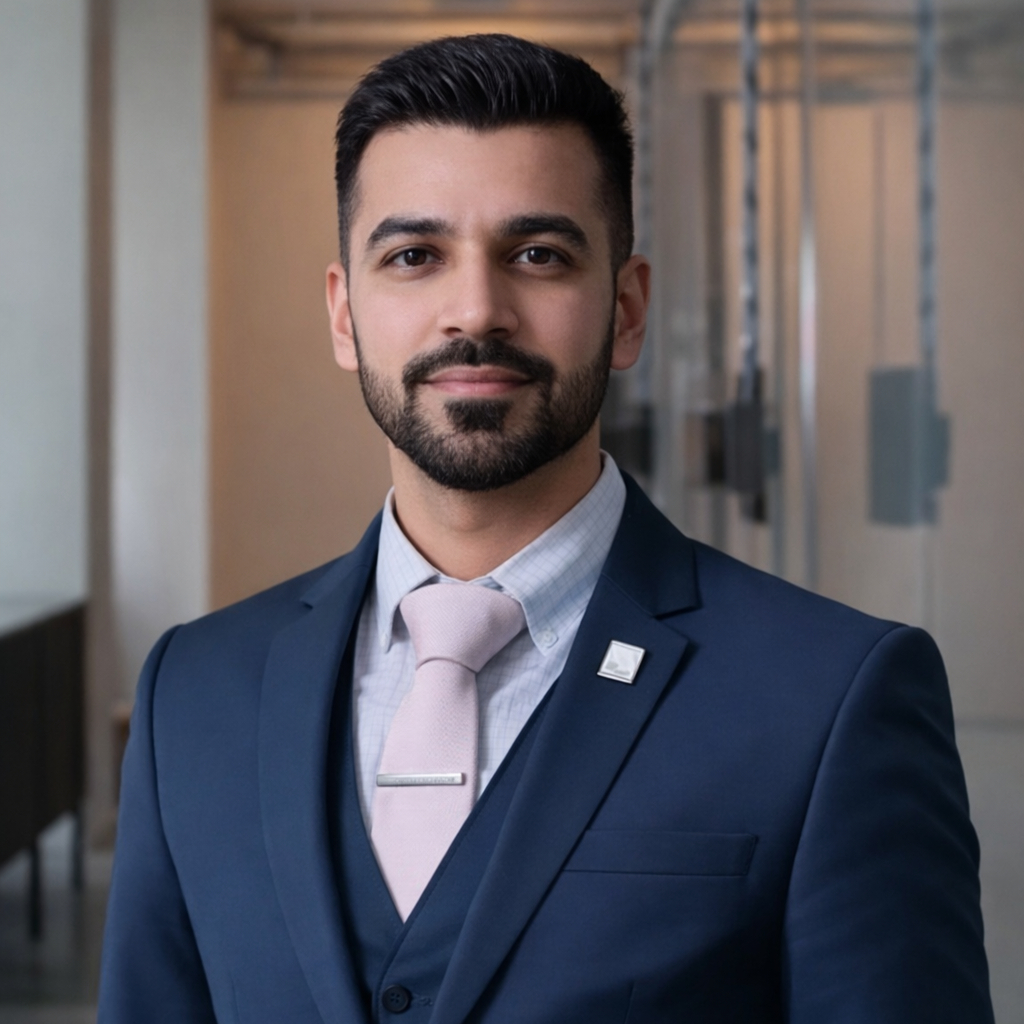
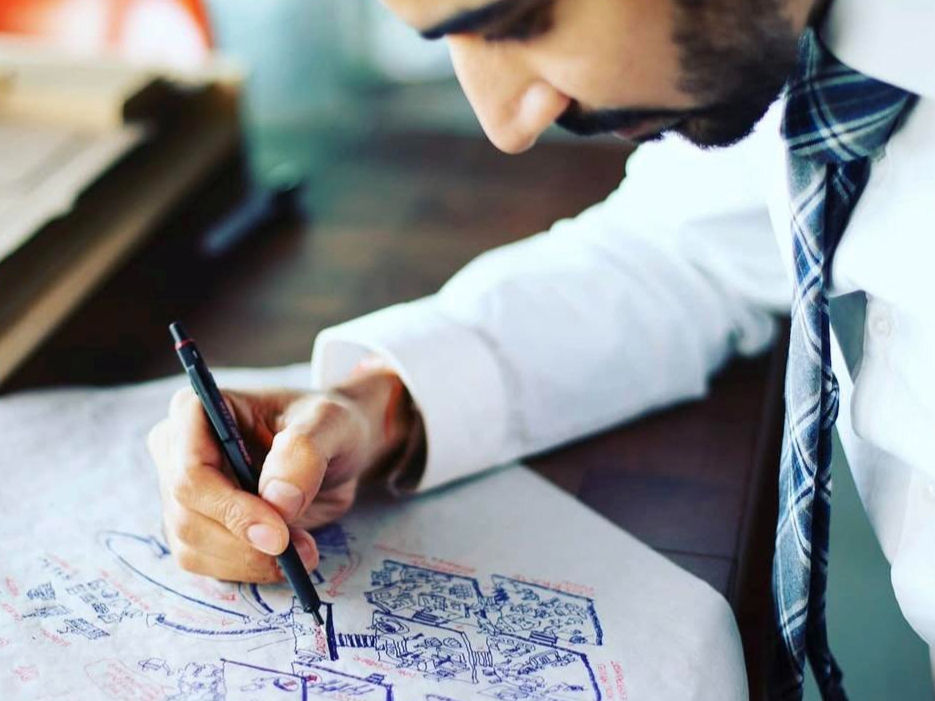
I have spent much of my life learning how context changes meaning. India was my first education in that. A place of many languages, traditions, climates, and contradictions, where the ancient and modern often share the same street. Growing up in such an environment taught me early on that life is rarely one thing at a time. Meaning depends on where you stand, who is in the room, what is spoken, and what is understood without being said.
This lesson followed me as my life moved across countries, cultures, disciplines, and ways of working. Every place had its own rhythm, every room its own language. I began to notice how people build trust, how they disagree, what they protect, what they hesitate to say, and what they may not yet have words for.
Over time, that kind of attention became a form of listening — not just to words, but to context: place, memory, culture, power, emotion, and possibility. Only later did I realize how deeply this shaped the way I understand design.
I have come to see design as a way of bridging worlds, between cultures and disciplines, between lived experience, collective intelligence, and the futures we choose to make possible.
A project never begins on a blank page. Before anything is drawn, there are already people, histories, constraints, habits, hopes, and assumptions shaping what is possible. Design, to me, is the work of understanding those relationships before giving them form.
Through Defining Humanity, the nonprofit organization I founded, I have explored this in civic and community-driven contexts. That work has reinforced for me that design is never shaped by physical conditions alone. It is shaped by culture, language, politics, trust, memory, and the many things people may not say directly, but still carry into the room. Listening is not separate from design; it is how design becomes relevant.
At Gensler, I experience that same responsibility at another scale, shaped by the firm’s belief in creating a better world through the power of design. As a Regional Design Technology Director, my work often sits between design ambition and the systems that help teams make better decisions — the tools, workflows, data, and conversations that shape how ideas move from possibility to reality.
At that scale, design becomes a form of shared intelligence. No single person holds the whole picture. The work is to help different perspectives inform one another before decisions become fixed. It is to create the conditions where knowledge can move across disciplines, where assumptions can be tested earlier, and where better questions can shape better outcomes.
Technology now sits inside that responsibility. It is not a separate layer added at the end. And because design today is shaped collectively across designers, consultants, builders, and clients. Digital tools and AI are changing what the collective teams can see, when they can see it, and how thoughtfully they can respond.
But speed is not the same as wisdom.
AI can make shallow thinking move faster, or it can expand attention when guided by judgment, care, and context. The deeper question for design now is not whether technology belongs, but whether it helps us listen better — to people, to place, to information, and to the consequences of our decisions.
Across all these worlds, I keep returning to the same belief. Design is not only about creating things. It is about making relationships more visible — between people and place, memory and future, information and understanding, technology and human meaning.
At its best, design reduces distance.
Not by simplifying the world, but by listening to it carefully enough that people, places, knowledge, and futures can come into better relationships with one another.
It is a lesson that I am still learning, through every culture, community, team, technology, and conversation that asks me to see the world with more care.
ABOUT THE AUTHOR


Comments